
Owners of the Rover 75 and MG ZT are well aware that rear outer sill corrosion is one of the most common age-related issues on these cars. By now, virtually all surviving examples are old enough that corrosion in this area is no longer unusual, even on vehicles that have been well maintained mechanically.
What is less widely understood is that the same bodyshell continued in production long after MG Rover collapsed, meaning the same sill panels are shared across four different model names. This has a direct impact on parts availability, because it means the body structure did not disappear when UK production ended.
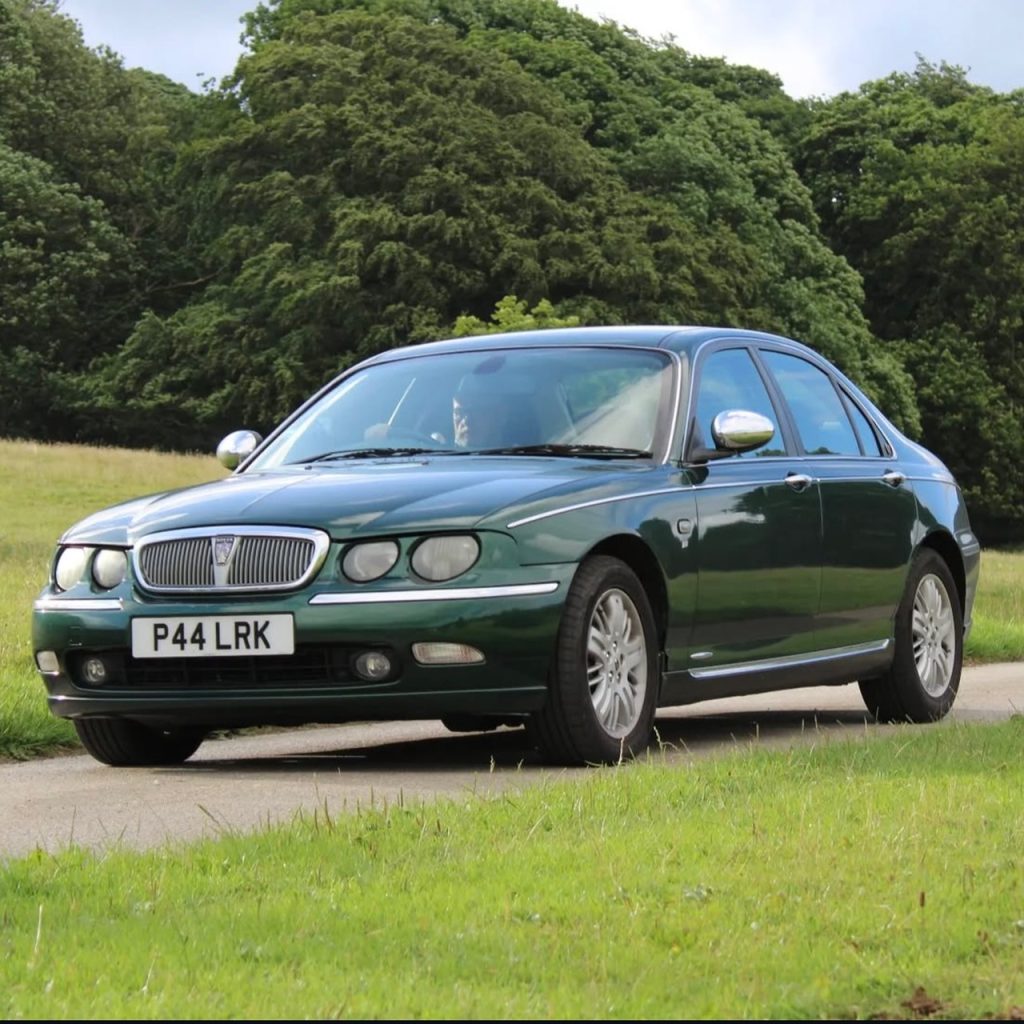
The Rover 75 was introduced in 1999 and remained in production until 2005, with both saloon and estate (Tourer) variants. The MG ZT and ZT-T followed in 2001, using the same structure but with revised suspension, styling and trim. Although these models are often discussed separately, they share the same underlying body shell and corrosion points.
After MG Rover entered administration in 2005, the bodyshell tooling and design rights were acquired by SAIC. Production continued overseas as the Roewe 750, and in selected export markets the same vehicle was sold as the MG 750. These later cars were aimed at executive and fleet buyers rather than enthusiasts, but structurally they remained very close to the original Rover design.
Those four models are:
- Rover 75
- MG ZT / ZT-T
- Roewe 750
- MG 750
From a structural point of view, these cars are fundamentally the same underneath. That continuity is what makes shared rear outer sill panel availability possible across multiple markets, despite differences in branding, trim levels and target buyers.
Shared Rover 75 Bodyshell Used by MG ZT, Roewe 750 and MG 750
The Rover 75 and MG ZT were built on the R40 platform, developed in the late 1990s during BMW ownership of Rover Group. The bodyshell was designed to be stiff, refined and safe, with substantial sill sections forming a key part of the side-impact structure.
Although the MG ZT introduced firmer suspension, different subframe tuning and sportier exterior panels, the underlying body structure did not change. This means that known corrosion areas, including the rear outer sills and rear jacking points, are common to both Rover and MG versions regardless of engine or trim.
When SAIC acquired the Rover 75 tooling and designs, the intention was to create a premium domestic saloon for the Chinese market. The resulting Roewe 750 retained the same core body structure, with changes focused on drivetrain, electronics and interior specification rather than the shell itself.
The Roewe 750 and MG 750 were sold primarily in China, but also in overseas markets including Iran, Kuwait, Saudi Arabia, the United Arab Emirates, Egypt, Chile and Peru. While climate conditions vary widely between these regions, the bodyshell pressing, sill geometry and rear arch structure remained consistent.
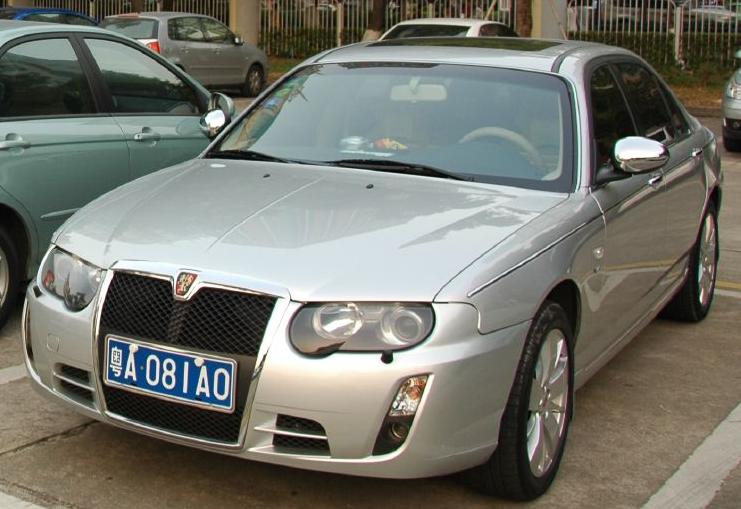
Because the bodyshell was never fundamentally redesigned, the rear outer sill profile, length, arch interface and jacking point reinforcement remained the same across all four vehicles. From a body repair perspective, this means sill panels are interchangeable across the entire family.
Rear Outer Sill Corrosion on Rover 75, MG ZT and Related Models
On UK and Northern European cars, rear outer sill corrosion typically begins inside the sill cavity and progresses outward. Moisture enters the cavity through drain points, seams and seams around the rear wheel arch, where dirt and road salt accumulate.
The rear section of the sill is particularly vulnerable because it sits directly behind the wheel arch and in line with road spray. Over time, factory seam sealer degrades, allowing moisture to remain trapped against bare steel.
By the time corrosion becomes visible on the outer sill, the metal behind is often already weakened. This is why patch repairs tend to be short-lived and why full rear sill sections are commonly required during MOT preparation.
In the UK, rear sill corrosion frequently results in MOT failures due to its proximity to suspension mounting points and seatbelt anchorage areas. Even relatively small areas of corrosion can be deemed structural if they fall within prescribed distances of these components.
Although overseas markets such as the Middle East are generally kinder to bodywork, the same corrosion patterns have been observed on Roewe 750 and MG 750 models operating in humid or coastal environments. The vulnerability is inherent to the design rather than the badge.
Rear Outer Sill Panel Availability for Rover 75, MG ZT, Roewe 750 and MG 750
Rear outer sill panels are available individually for all four models listed above. Each panel section is designed to cover the rear portion of the sill where corrosion most commonly occurs and includes the lower arch lip.
This section length reflects real-world repair requirements rather than theoretical coverage. In most cases, corrosion is concentrated at the rear of the sill, making a targeted repair section more practical than a full-length sill.
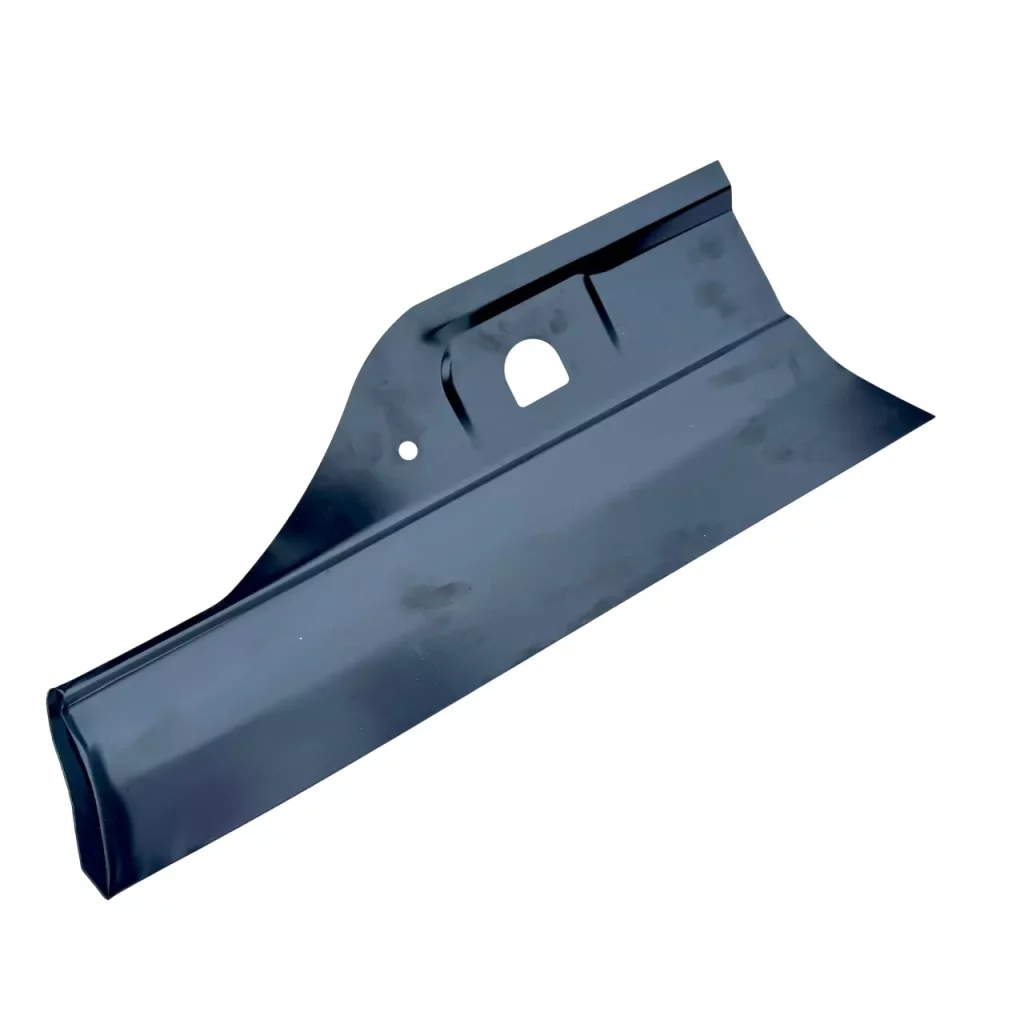
Supplying panels individually allows owners and bodyshops to repair one side at a time or address only the affected area. This is particularly relevant where one side of the vehicle has been exposed to more road spray or has suffered previous damage.
Rear Outer Sill Panel Compatibility – Rover 75, MG ZT, Roewe 750, MG 750
These rear outer sill panels are suitable for the following vehicles:
- Rover 75
- MG ZT and ZT-T
- Roewe 750
- MG 750
They are not suitable for later SAIC MG models such as MG 6, MG 5 or the modern MG 7, which are built on entirely different platforms. Despite the reuse of the MG name, there is no shared structure between these newer vehicles and the Rover 75 platform.
Rear Outer Sill Panels – International Supply and Worldwide Shipping
Rear outer sill panels are supplied individually, allowing buyers to select the required side.
Because these vehicles were sold across multiple international markets, we are happy to ship these panels to any country. If your location is not shown at checkout, please contact us directly and we will advise on shipping options.
Links to the relevant rear outer sill panels can be found below:
Long-Term Availability of Rover 75 and MG ZT Rear Outer Sill Panels
The continued use of the Rover 75 bodyshell across multiple markets has helped keep these cars viable long after UK production ended. Unlike many vehicles from the same era, the Rover 75 family benefits from an unusually long production life and international footprint.
Having rear outer sill panels available for all four variants allows structurally sound cars to remain on the road rather than being scrapped due to corrosion alone. For owners committed to maintaining these vehicles, sill availability is a key factor in long-term ownership.